7 Essential Tips for Starting Painting as a Hobby at Home
Have you ever considered channeling your creative energy into the art of painting? Whether you’re drawn to the vibrant strokes of a watercolor scene or the bold textures of an acrylic abstract, painting can offer an enriching escape and a profoundly satisfying hobby. If you’re ready to embark on this colorful journey from the comfort of your home, here are seven essential tips to help you start painting as a hobby.
1. Choose Your Preferred Medium
Exploring Different Paints
The first step to beginning your painting hobby is deciding on a medium. Each type has its characteristics and techniques:
- Watercolor: Known for its delicate and transparent layers, watercolor is ideal for beginners due to its affordability and clean-up ease.
- Acrylics: If you’re looking for versatility and fast drying times, acrylics are perfect. They can be used thickly for textures or thinned with water to mimic a watercolor effect.
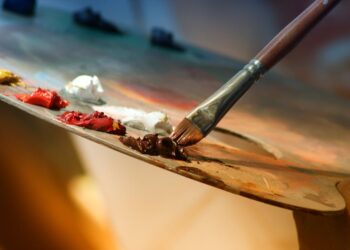
- Oils: For those who love richer colors and more prolonged drying times, which allow for blending and texture adjustments, oil paints are ideal. However, they require more setup and cleanup time.
Experimentation Is Key
Don’t be afraid to experiment with different mediums. Each offers unique benefits and challenges that can cater to your artistic preferences and style.
2. Set Up Your Painting Space
Creating an Inspiring Environment
Having a designated painting area in your home can significantly enhance your experience. It doesn’t have to be large—a corner of a room or a small table can suffice. Here’s what to include:
- Good Lighting: Natural light is best, but if that’s not available, a daylight simulation bulb can provide excellent clarity.
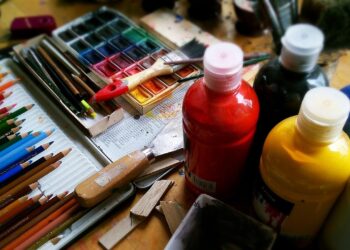
- Essential Supplies: Keep your paints, brushes, water jars, palette, and cleaners within easy reach.
- Comfort: Ensure your chair and table facilitate a comfortable painting posture.
A well-organized and inviting space invites creativity and can make your painting sessions more enjoyable.
3. Invest in Basic Equipment
Starting with the Basics
Begin with essential supplies before diving into more specialized tools. Here’s a simple checklist:
- Brushes: A selection of sizes and shapes (flat, round, and pointed brushes are good starters).
- Canvas or Paper: Depending on your chosen medium, prepare the appropriate surfaces—watercolor paper, canvases, or acrylic pads.
- Palette: For mixing your colors, a palette is crucial. You can even use a disposable plate.
- Apron or Old Clothes: Painting can get messy, so wear something you don’t mind getting paint on.
Quality Over Quantity
Opt for quality where it counts, particularly with brushes and paper or canvases, as these can significantly affect your painting outcomes.
4. Learn Basic Techniques and Color Mixing
Understanding the Basics
Before you start, familiarize yourself with some foundational painting techniques such as blending, stippling, and dry brushing. Online tutorials, books, and workshops can be excellent resources.
The Magic of Color Mixing
Color theory is another crucial area. Learning how to mix primary colors to create a broader palette can vastly improve your work’s impact. Experiment by mixing different colors to see the results, which can be both surprising and enlightening.
5. Start with Simple Projects
Building Confidence
Begin your painting journey with straightforward projects. Choose simple subjects and compositions that won’t overwhelm you. For instance, painting a fruit, a simple landscape, or abstract forms can be a great start.
Practice Consistently
The more you paint, the better you’ll become. Repetition is key to mastering any skill.
6. Join a Community
Finding Like-Minded Individuals
Whether online or in person, connecting with fellow beginners or seasoned painters can enhance your learning experience. Art communities can provide support, inspiration, and feedback that are invaluable as you grow.
Sharing and Learning
Don’t hesitate to share your progress and ask for advice. Most artists enjoy discussing techniques and processes that can be different and eye-opening.
7. Enjoy the Process and Be Patient
Embrace Mistakes
Every artist makes mistakes, and every error is a stepping stone to improvement. Enjoy every moment, from setting up your palette to applying the final touches to a piece.
Patience Leads to Mastery
Remember, the goal of starting a painting hobby is not to become a master overnight but to enjoy and learn from the process. Patience will make your painting journey enjoyable and fulfilling.
Conclusion
Starting to paint as a hobby at home invites you to discover not just the joys of creating art but also the opportunity for personal growth and relaxation. By following these 7 essential tips for starting painting as a hobby at home, you equip yourself with the tools to begin this rewarding journey confidently. So grab your brush, set your canvas, and let your creativity flow—the world of painting awaits!