Unlock Your Inner Artist: Sketching Ideas for Beginners to Inspire Creativity
Embarking on the journey of sketching can be both exciting and a bit intimidating. However, it’s a wonderful pathway to free your mind and unleash your inner creative spirit. Whether you’re doodling during a dull meeting or dedicating a Sunday afternoon to your sketchpad, drawing can be a profound source of personal joy and creativity. In this guide, we’ll explore practical sketching ideas designed specifically for beginners, offering you a solid starting point to discover your artistic talents.
Understanding the Basics of Sketching
Before diving into specific sketching ideas, it’s important to grasp some basics. Sketching is fundamentally about representing the three-dimensional world on a two-dimensional surface. The key skill to develop is observation; learning to see like an artist is essential. This involves noticing the shapes, shadows, and textures around you, understanding their structure, and translating that onto paper.
Sketching Materials
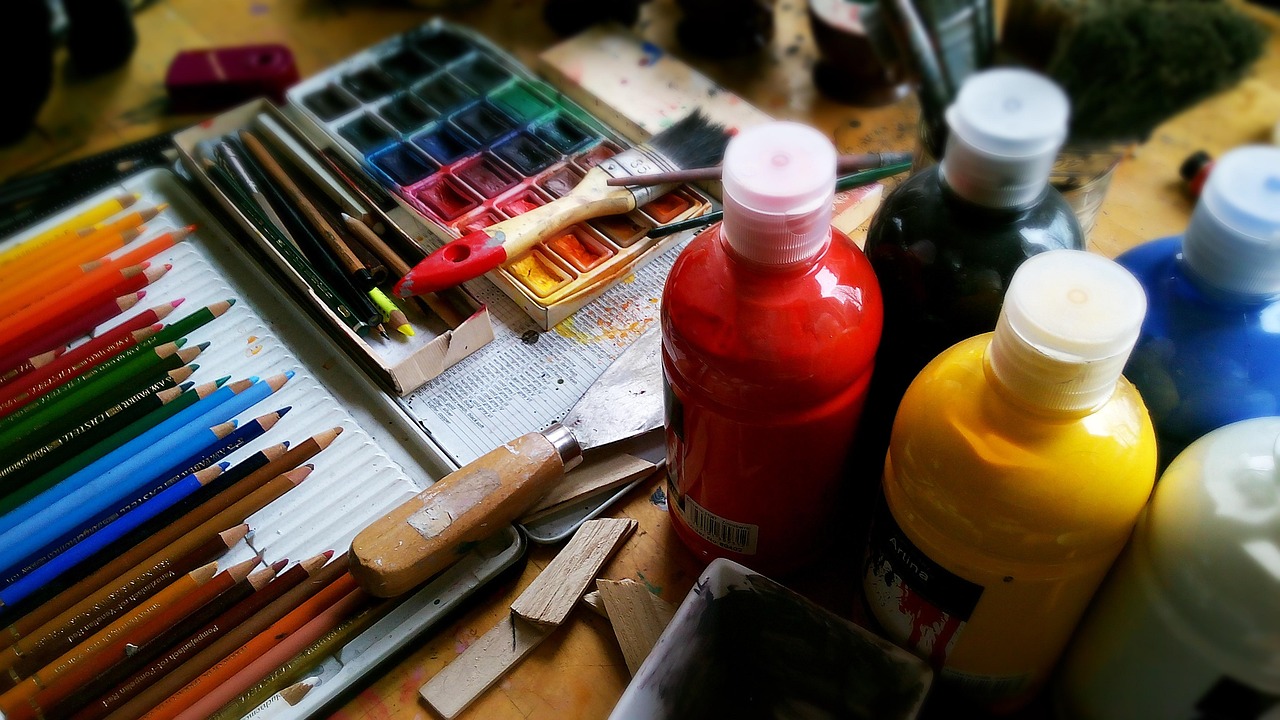
- Pencils: A range of graphite pencils (typically from 2H to 6B) are suitable for different strokes and depths.
- Sketchpad: Choose a size that you find manageable and comfortable, either in an A4 size or a more portable version.
- Erasers: Including both a soft kneaded eraser for light touches and a more precise plastic eraser.
- Sharpener: Always keep your pencils sharp to maintain line clarity.
With these tools in hand, you can begin to explore various sketching techniques and styles.
Engaging Sketch Ideas for Beginners
1. Start with Simple Shapes and Objects
Begin your sketching journey by drawing simple shapes like circles, squares, and triangles. Step it up a notch by sketching everyday objects like a cup, a pair of glasses, or a book. These items are excellent because their familiar shapes will make it easier to see basic forms and how light interacts with these objects.
2. Nature Sketching
Step outside, or look out the window, and sketch what you see. Start with a single tree or a basic landscape. Pay close attention to the lines and shades. Practicing with nature can dramatically enhance your ability to capture the world around you.
3. Animal Sketches
Animals are great for practicing movement and form. Begin with static images, like a sleeping cat or a seated bird, before moving to dynamic poses. Observing animals can also improve your skills in capturing textures like fur or feathers.
4. Human Figures and Faces
Drawing people can be challenging but rewarding. Start with basic figures, focusing on proportions. For faces, begin with studies of individual features – eyes, noses, and mouths – before putting them together in a full face.
Techniques to Boost Your Sketching Skills
Using Light and Shadow
Understanding light and how it affects the subject is crucial for creating depth in your sketches. Observe where the light sources are coming from when you are drawing and shade your sketches accordingly to add realism.
Experiment with Perspectives
Challenge yourself to sketch from different angles and perspectives. Try an elevated view or a ground-level perspective to see how it changes the narrative and feel of your sketch.
Common Questions from Beginner Sketchers
What Should I Do if I Make a Mistake?
Firstly, embrace mistakes as part of the learning process. Use an eraser lightly to correct lines, or even incorporate the error into a larger part of your drawing. Often, what seems like a mistake can add uniqueness to your art.
How Often Should I Practice Sketching?
Regular practice is key. Try to sketch daily, even if it’s just a quick doodle. The more you draw, the more comfortable and capable you’ll become.
Do I Need Natural Talent to Be Good at Sketching?
While some people may have a natural inclination, anyone can improve at sketching with time and consistent practice. Focus on enjoying the process and learning from each step.
Actionable Tips for Aspiring Sketch Artists
- Keep a sketchbook handy at all times to capture spur-of-the-moment ideas.
- Visit art galleries or browse online galleries to get inspired by different styles and techniques.
- Join sketching workshops or online classes to learn alongside peers and gain valuable feedback.
Conclusion
Sketching is a versatile and rewarding skill that enables you to see the world through a more creative lens. By breaking down complex forms into simple shapes, mastering the interplay of light and shadow, and practicing with varied subjects, you can develop your unique artistic style. Remember, every artist starts somewhere, and each sketch you create brings you one step closer to understanding and refining your own artistic abilities. Keep sketching, keep learning, and most importantly, keep enjoying the process!