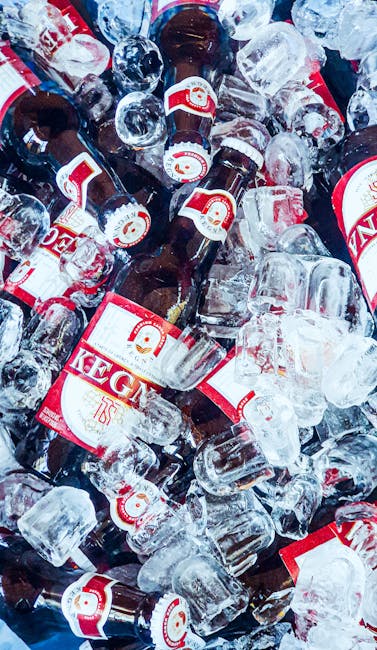
Craft Beer Market Growth Trends: Discover What’s Brewing for the Future
The world of craft beer is vibrant, dynamic, and continuously evolving. Over the past decade, craft beer has transitioned from a niche market to a pervasive force within the beverage industry. With new breweries popping up, innovative styles emerging, and consumer preferences shifting, the craft beer market shows no signs of slowing down. In this article, we’ll delve into the Craft Beer Market Growth Trends: Discover What’s Brewing for the Future, shedding light on how these trends will reshape the landscape of craft brewing.
The Rise of Craft Beer: A Brief Overview
Craft beer began as a rebellion against mass-produced beverages, offering unique flavors and artisanal quality. The Brewer’s Association defines American craft breweries by their small size, independence, and traditional methods of production. Over the last few years, the craft beer sector has witnessed remarkable growth, making it a significant segment of the global beer market.
Market Statistics: Craft Beer on the Rise
In recent years, several statistics have highlighted the burgeoning craft beer movement. As of 2022, craft beer accounted for nearly 23.1% of the total beer sales in the United States, demonstrating a notable increase from previous years. According to the Brewers Association, there were approximately 8,000 craft breweries operating in the U.S. by the end of 2022, with an estimated annual growth rate of 4% projected over the next five years. These figures underscore the ongoing enthusiasm for craft beer and support the notion that the Craft Beer Market Growth Trends: Discover What’s Brewing for the Future is indeed promising.
Key Craft Beer Market Growth Trends
1. Flavor Innovation
One of the most exciting trends in the craft beer market is a heavy focus on flavor innovation. Breweries are experimenting with unusual ingredients and flavors, influenced by global culinary trends. From sour ales fermented with wild yeasts to IPAs brewed with exotic hops, the options are virtually limitless. This focus on unique and bold flavors attracts younger consumers eager to explore distinct taste experiences. Emphasizing flavor and creativity allows craft breweries to carve out niches within the market, keeping the competition dynamic.
2. Sustainability Practices
As consumers become more environmentally conscious, craft breweries are stepping up to the plate. Sustainability practices in brewing operations are gaining momentum, with many breweries implementing eco-friendly practices like using renewable energy, sourcing local ingredients, and reducing packaging waste. Breweries are also increasingly engaging with their communities, further grounding themselves in the local culture. As eco-friendly initiatives become entrenched in the craft brewing ethos, the Craft Beer Market Growth Trends: Discover What’s Brewing for the Future will likely reflect growing consumer preferences for responsible production.
3. Rise of Non-Alcoholic Craft Beers
Another emerging trend is the rise of non-alcoholic (NA) craft beers. As health-conscious living gains traction, many consumers are seeking flavorful low- and no-alcohol options. Craft breweries are responding to this demand by developing sophisticated beverages that don’t compromise on taste. The development of NA beers aligns beautifully with the overall trend of consumer mindfulness, making it essential for breweries looking to stay current in the rapidly evolving market landscape.
4. E-Commerce Growth
The shift toward online shopping made waves across various industries, and the craft beer market is no exception. Consumers have become accustomed to purchasing groceries and beverages online, leading many craft breweries to establish robust e-commerce platforms. This shift not only makes craft beer more accessible to consumers but also helps breweries directly connect with their customers. The post-pandemic era has seen a significant uptick in e-commerce sales, and we can expect this trend to shape the future of craft beer distribution.
5. Craft Beer Tourism
Craft beer tourism is another growth trend that’s fostering an appreciation for local brews. Beer lovers are traveling to visit breweries, participate in beer festivals, and attend tasting events. As a result, cities and regions known for their craft breweries are becoming popular travel destinations. Breweries are capitalizing on this trend by offering guided tours, tasting rooms, and unique experiences, enhancing their branding and increasing sales.
FAQs about Craft Beer Market Growth Trends
1. What defines a craft brewery?
A craft brewery is generally defined by its small production size, independence, and emphasis on traditional brewing methods. The Brewer’s Association has specific parameters for what constitutes a craft brewery, including producing less than six million barrels per year.
2. How has the pandemic affected the craft beer market?
The COVID-19 pandemic initially posed significant challenges for craft breweries, including supply chain disruptions and restrictions on taproom sales. However, many breweries adapted effectively by enhancing their takeaway services and embracing e-commerce, leading to new revenue streams.
3. Are craft beer trends the same globally?
While craft beer trends have commonalities, they can vary across regions. Cultural factors, local preferences, and regulations all influence craft beer development in different areas. Each market will have unique trends that reflect its consumers’ tastes and values.
4. What does the future hold for craft beer?
The future of craft beer appears to be headed toward increased innovation, sustainability, and a focus on community engagement. As consumer preferences continue to evolve, breweries must adapt to maintain relevance in the ever-changing landscape.
Conclusion
The craft beer market is vibrant, with numerous trends illustrated in the Craft Beer Market Growth Trends: Discover What’s Brewing for the Future. From flavor innovation to sustainability and the rise of e-commerce, the industry is poised for exciting developments. As breweries continue to adapt to consumer demands, the future of craft beer looks promising and full of potential.
So, next time you partake in a craft beer, consider how the beverage in your hand is part of this ever-growing and shifting industry landscape. Here’s to the unique flavors, sustainable practices, and innovative brews that will shape our drinking experiences for years to come! Cheers!