Unlock Your Inner Artist: Easy Painting Techniques for Beginners
Are you looking to embrace the colorful world of painting but don’t know where to start? Fear not! Painting can be a joyous, relaxing activity that stirs creativity and gives you unique outcomes every time. This guide is crafted to help you discover easy painting techniques that will smooth your journey from a curious novice to a confident painter.
Understanding the Basics Before You Start
Before diving into the practical techniques, understanding some fundamentals can enhance your painting experience. Here’s what you need to know:
Choosing the Right Materials
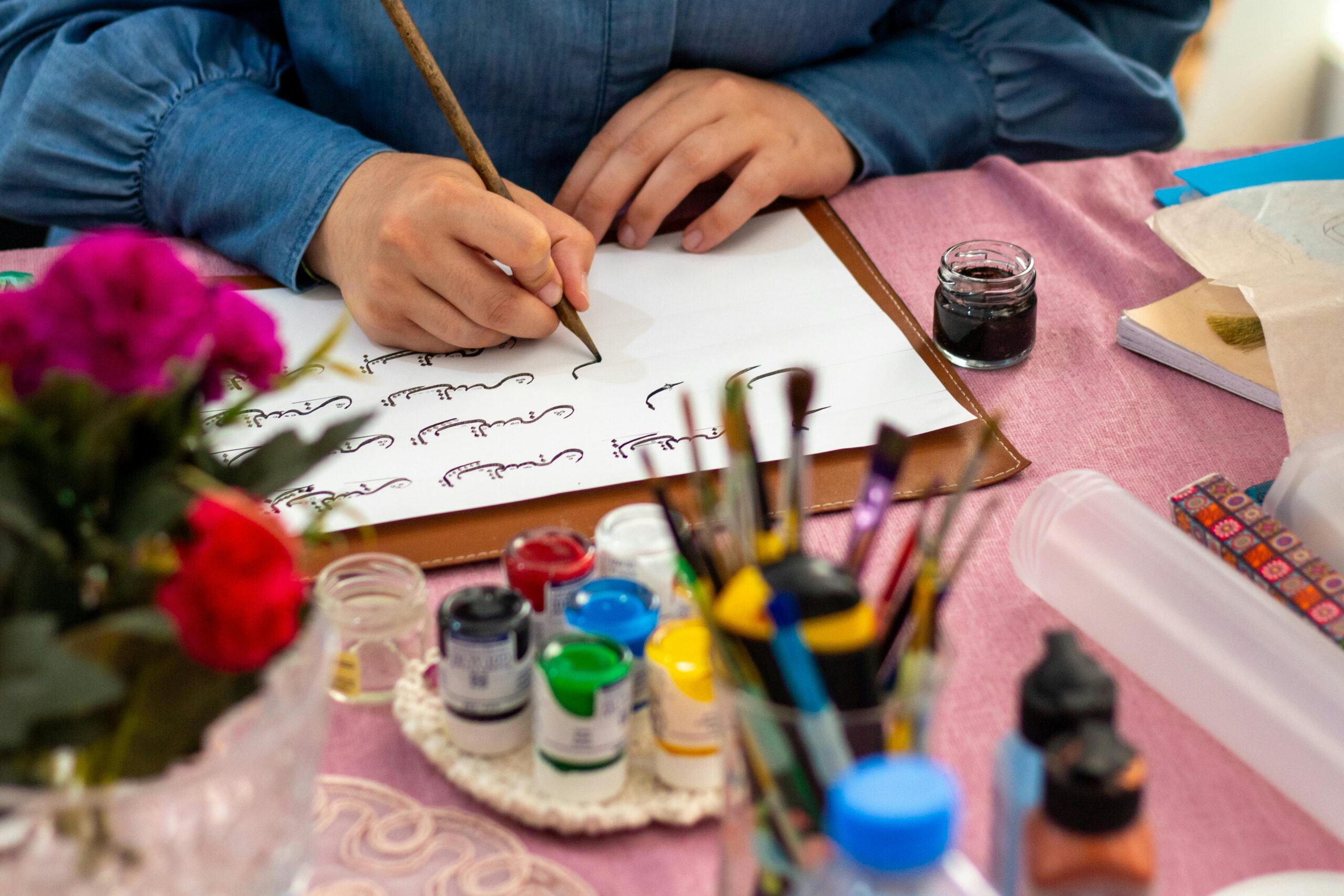
The first step in your painting adventure is to gather the necessary tools and materials. For beginners, acrylic paints are an excellent choice due to their versatility and forgiving nature. You’ll also need various brushes (think different sizes), a sturdy canvas or painter’s paper, and a palette for your paint. Remember, quality doesn’t always come with a high price tag; many affordable brands offer great options for those just starting out.
Setting Up Your Workspace
Create a dedicated painting area where you can work comfortably and mess can be tolerated and controlled. Proper lighting is crucial, preferably natural light. Organize your tools and materials so they are easily accessible, which will make the painting process more enjoyable and less frustrating.
Easy Painting Techniques to Get You Started
Now that you’re ready to paint, here are some simple techniques that can help beginners produce beautiful art without overwhelming them.
1. Stippling
Stippling involves using the tip of your brush to create dots of color. It’s a perfect technique for adding texture or blending colors subtly. Try using different sized brushes or contrasting colors to add depth and interest to your stippled paintings.
2. Dry Brush
If you’re going for a rough, textured look, dry brushing is the way to go. Dip your brush lightly in paint, wipe off the excess, and then drag the brush across your canvas. The limited paint will catch the texture of the canvas, creating interesting effects.
3. Sgraffito
This technique involves layering thick paint and then scratching or scraping through the top layer to reveal the underlayer, adding an element of dynamism and texture to your painting. Use the non-bristle end of your brush or a comb-like tool to create your designs.
4. Washing
Washing uses a technique similar to watercolor painting, but it can be applied in acrylic and oil painting as well. Apply a thin, translucent layer of paint to give a soft background or to blend colors fluidly on your canvas.
Practical Tips to Enhance Your Painting Practice
While the techniques are important, here are some additional tips to ensure your painting process is both productive and enjoyable:
Maintain Your Brushes
Good brush care is essential. Always clean your brushes thoroughly after use with water (for acrylics) or turpentine (for oils), and reshape the bristles before leaving them to dry.
Practice Color Mixing
Familiarize yourself with primary colors and experiment with mixing them to create secondary and tertiary colors. This not only helps in understanding color theory but also allows you to achieve a more varied palette in your artworks.
Keep a Sketchbook
Use a sketchbook to jot down ideas, practice sketches, or experiment with colors and techniques. A sketchbook is a painter’s playground that can serve as a great tool for growth and inspiration.
Be Patient and Persistent
Every artist has to start somewhere, and most do not achieve perfection on their first try. Patience and persistence are key in your painting journey. Enjoy each step and learn from your mistakes.
Conclusion
Embarking on your painting journey can be one of the most fulfilling experiences. With these easy painting techniques, handy tips, and the right mindset, you’re well on your way to unlocking your inner artist. Remember, every painter begins as a beginner, and every brushstroke is a step towards mastery. So grab your brush, and let the colors flow!